
 Italiano
 English
 Español
 Français
 Deutsch
 Nederlands
 Português
 Português do Brasil
 Pусский
 日本語
日本語 简体中文
简体中文 한국어
한국어 Bahasa Indonesia
Wycieczki z przewodnikiem po Galerii Uffizi z udziałem doświadczonych historyków sztuki
Wycieczki z przewodnikiem po najwspanialszych muzeach Florencji
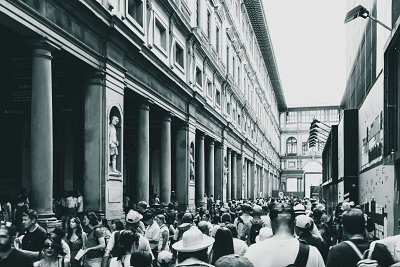
Wycieczki z przewodnikiem po najwspanialszych muzeach Florencji
Galeria Uffizi składa się z około 100 sal. Stała ekspozycja obejmuje dzieła od bizantyjskiego malarstwa religijnego z XIII wieku po Caravaggia z XVII wieku. Bez odpowiedniego przewodnika łatwo jest spędzić tam trzy godziny i wyjść z niejasnym wyobrażeniem o tym, co właściwie się obejrzało. Wycieczka z przewodnikiem znacznie to zmienia.
Wycieczki z przewodnikiem w tej kategorii obejmują samą Galerię Uffizi, Galerię Uffizi w połączeniu ze spacerem po mieście oraz Galerię Accademia, w której znajduje się „Dawid” Michała Anioła. Większość z nich odbywa się w małych grupach — od 6 do 15 osób, w zależności od opcji. Przewodnicy są specjalistami w dziedzinie historii sztuki florenckiej, co w praktyce oznacza, że wiedzą nie tylko, jakie to są obrazy, ale także dlaczego powstały, kto je zamówił, jaka była sytuacja polityczna, gdy Botticelli malował „Primaverę”, oraz co postacie na tym obrazie prawdopodobnie oznaczały dla ludzi, którzy widzieli go po raz pierwszy.
Galeria Uffizi
Galeria Uffizi została zbudowana jako siedziba urzędów rodu Medici — słowo „uffizi” oznacza bowiem urzędy. Stopniowo, w XVI i XVII wieku, przekształciła się w muzeum, gdy Medyceusze wypełnili ją swoją kolekcją dzieł sztuki. Kiedy w 1743 roku zmarła ostatnia spadkobierczyni rodu Medici, pozostawiła całą kolekcję miastu Florencji pod warunkiem, że pozostanie tam na stałe. Dzieła pozostały na miejscu.
W kolekcji znajdują się „Narodziny Wenus” i „Primavera” Botticellego, wczesne „Pokłon Trzech Króli” Leonarda da Vinci, „Tondo Doni” Michała Anioła, portrety Rafaela, „Bachus” Caravaggia oraz sale poświęcone mistrzom flamandzkim i holenderskim, do których wielu zwiedzających nie dociera. Podczas zwiedzania z przewodnikiem ogląda się najważniejsze dzieła po kolei. Przewodnik wyjaśnia kontekst — czym malarstwo renesansowe różniło się od sztuki średniowiecznej, dlaczego perspektywa była rewolucyjna oraz na czym faktycznie polegają różnice techniczne między freskami a temperą.
Galeria Accademia i „Dawid” Michała Anioła
Galeria Accademia jest mniejsza od Galerii Uffizi i przyciąga ogólnie mniej zwiedzających, ale kolejka do niej może być równie długa — ponieważ prawie każdy przychodzi tu, by zobaczyć Dawida. Rzeźba ma 5,17 metra wysokości i została wyrzeźbiona w latach 1501–1504 z jednego bloku marmuru. Michał Anioł miał 26 lat, kiedy rozpoczął pracę nad nią.
Podczas wycieczki łączącej Galerię Accademia z Galerią Uffizi najpierw zwiedza się Dawida rano, kiedy światło jest dobre, a w galerii panuje względny spokój. Przewodnik opowiada o Sali Więźniów — korytarzu z niedokończonymi rzeźbami Michała Anioła z cyklu „Niewolnicy”, prowadzącym do Dawida — który często okazuje się ciekawszy niż sam Dawid dla osób, które się tego nie spodziewały. Postacie są częściowo wyrzeźbione, a częściowo wciąż pozostają w marmurze, i pokazują sposób pracy Michała Anioła w sposób, w jaki nie robią tego gotowe rzeźby.
Wycieczki w małych grupach i warsztaty
Warsztaty w Uffizi to dłuższa, bardziej szczegółowa wersja standardowej wycieczki — trwa 2,5 godziny i prowadzi ją historyk sztuki, a nie przewodnik o ogólnej wiedzy. Są one przeznaczone dla osób, które chcą wyjść poza główne sale i zgłębić kolekcję. Obejrzysz niektóre z tych samych najważniejszych dzieł, ale poświęcisz też czas na rzadziej odwiedzane sekcje oraz na konkretne techniki i momenty historyczne, które ukształtowały to, co widać na ścianach.
Dostępna jest również krótsza wersja obejmująca najważniejsze dzieła (1 godzina 45 minut) dla osób dysponujących mniejszą ilością czasu, podczas której omówione zostaną prace Giotta, Leonarda da Vinci oraz „Wenus” i „Wiosna” Botticellego. Obie wersje obejmują wstęp bez kolejki, co ma duże znaczenie — w szczycie sezonu standardowa kolejka do Galerii Uffizi może z łatwością przekroczyć godzinę.
Połączenie zwiedzania muzeum z wycieczką po mieście
Kilka opcji łączy zwiedzanie muzeum ze spacerem po mieście. Poranek spędzasz na świeżym powietrzu na Piazza della Signoria i w okolicy kompleksu katedry Duomo, zapoznając się z historycznym kontekstem Florencji jako miasta, a po południu udajesz się do Galerii Uffizi. Taka kolejność sprawdza się lepiej, niż mogłoby się wydawać — obejrzenie najpierw Loggia dei Lanzi i Palazzo Vecchio pozwala zrozumieć, skąd pochodzi sztuka i kto za nią płacił. Dzięki temu zwiedzanie muzeum nabiera większego sensu.
Półprywatna wycieczka „Florencja w jeden dzień” (maks. 6 osób) obejmuje zarówno zwiedzanie muzeów, jak i spacer po mieście w ciągu jednego pełnego dnia. Jest to najbardziej kompleksowa dostępna opcja i ta, która ma największy sens dla osób odwiedzających miasto po raz pierwszy, które nie wrócą tu przez jakiś czas i chcą porządnie zapoznać się z głównymi atrakcjami.